Compare Local Contractors for Residential Carpet Repair Services
Compare local contractors to define the scope, verify experience, and set clear expectations for effective residential carpet repair.
Residential carpet repair services typically cover a range of tasks aimed at restoring the appearance and integrity of existing carpeting. This can include patching or replacing damaged sections, seam repairs to address separation or buckling, stretching to eliminate wrinkles, and stain removal or treatment to improve overall look. These services are often necessary after accidents, heavy foot traffic, or to address wear and tear that occurs over time. Understanding the scope of work involved helps property owners ensure that repairs address specific issues and that the finished result aligns with their expectations for comfort and appearance.
Defining the scope of carpet repair work is a critical step in working with service providers. Clear communication about the specific problems-such as tears, burns, or uneven surfaces-allows contractors to determine the appropriate techniques and materials needed. Documenting the scope in writing helps prevent misunderstandings and ensures that both parties have a shared understanding of what is to be accomplished. This clarity can also facilitate more accurate comparisons among contractors, as it provides a basis for evaluating their proposed approaches and expertise in handling similar repairs.
When comparing local contractors for residential carpet repair, property owners should consider experience and familiarity with the types of repairs needed. Verifying how long a contractor has been working in the area and their experience with similar projects can provide insight into their capability. It’s also helpful to review their process for defining project scope and to ensure that they can provide detailed written descriptions of the work. Gathering information about their methods for handling repairs, along with checking references or reviews, can assist in making an informed decision. This approach helps ensure that the chosen service provider can meet expectations and deliver quality results tailored to the specific needs of the property.
Compare local contractors by outlining project priorities, verifying experience, and setting clear expectations in writing.
- Compare Contractor Credentials - Review the experience and reputation of local contractors to ensure quality service.
- Define Repair Scope Clearly - Specify the extent of carpet damage and repair needs to align expectations.
- Verify Experience and References - Check for prior work and references to assess the reliability of service providers.
- Document Agreements in Writing - Ensure all project details, scope, and responsibilities are confirmed in a written agreement.

Clearly describe your carpet repair needs to effectively compare local contractors, verify their experience, and set expectations in writing.
- Verify experience in residential carpet repair to ensure contractors are knowledgeable about common issues. - Consider how contractors define the scope of work to match specific repair needs.
- Compare service providers based on their reputation and customer feedback to identify reliable options. - Ensure contractors can provide detailed written estimates outlining the repair process and materials.
- Assess the range of repair services offered to confirm they can handle various types of carpet damage. - Clarify whether contractors have experience working with different carpet materials and styles.
- Check if service providers are willing to provide references or examples of completed repairs. - Confirm that the scope of work, costs, and expectations are documented in writing before work begins.
- Determine if contractors have a clear process for assessing carpet damage and recommending appropriate repairs. - Ensure all project details, including scope and responsibilities, are agreed upon in a written contract.
Compare local contractors, clarify project scope, verify experience, and document expectations for effective carpet repair.

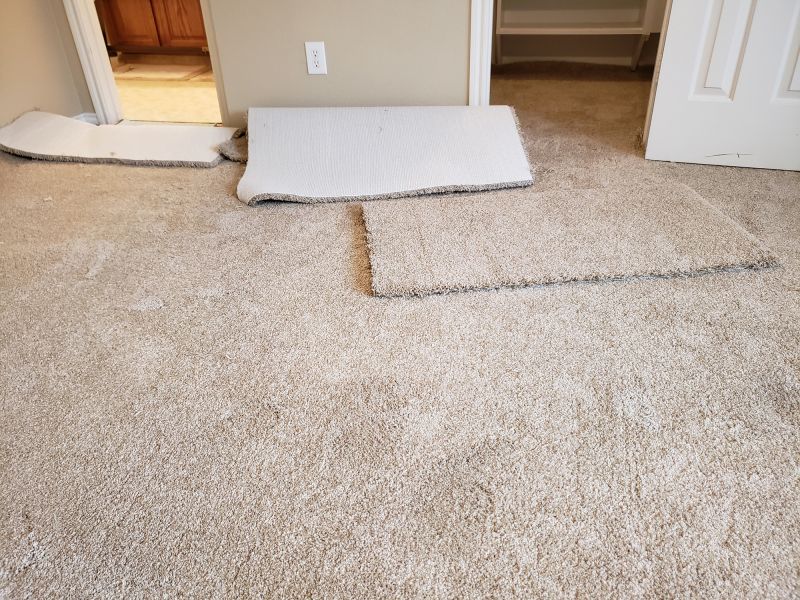


This guide helps you compare residential carpet repair contractors by defining scope, verifying experience, and maintaining consistent expectations.
- Scope Definition - Clearly outline the specific carpet repair services needed, such as patching, stretching, or seam repair.
- Experience Verification - Confirm that local contractors have relevant experience with residential carpet repairs similar to the scope.
- Material Specifications - Specify the type and quality of carpet materials involved to ensure compatibility and proper repair.
- Work Expectations - Define the desired outcomes and standards for the repair work to set clear expectations.
- Written Agreement - Ensure all scope details, responsibilities, and deliverables are documented in a written agreement.
When comparing contractors for residential carpet repair, it’s important to evaluate their experience with similar projects. Service providers who have a history of handling repairs comparable to the scope of the work needed can often deliver more reliable results. Inquire about the types of carpet repairs they have performed, such as seam repairs, burns, or pet damage, and ask if they are familiar with the specific carpet materials present in the home. This background can help ensure the chosen contractor has the practical knowledge necessary to address the unique aspects of the repair.
A clear, written scope of work is essential for setting expectations and avoiding misunderstandings. When discussing options with potential service providers, ask for a detailed description of what the repair will include and how the work will be performed. This document should outline the specific tasks, materials to be used, and any limitations or exclusions. Having a well-defined scope helps homeowners compare different contractors based on the thoroughness and clarity of their proposals, making it easier to identify the most suitable candidate.
Verification basics involve confirming that the service providers have a solid track record of successful repairs. This can include checking references, reviewing portfolios of completed work, or seeking out customer feedback. While formal licensing or certification may not be required or relevant, understanding a contractor’s reputation and experience can provide confidence in their ability to deliver quality results. Gathering this information helps ensure that the selected service provider has the practical expertise to handle the repair effectively.
Evaluating options without focusing on prices involves considering factors such as experience, clarity of scope, and the professionalism of proposals. Look for service providers who communicate clearly and provide comprehensive written descriptions of their approach. Consider how well they understand the specific repair needs and whether they offer detailed explanations of their process. Comparing these elements can help homeowners select a trusted local contractor capable of performing high-quality carpet repairs, based on expertise and professionalism rather than cost alone.
Ask contractors to provide written scope details to ensure clear understanding and consistent expectations for the repair work.
- Experience and Credentials - How can I verify the experience and background of local contractors specializing in carpet repair?
- Scope of Work - What specific services and repair techniques do local service providers include in their scope of work?
- Comparison of Services - How do different local contractors define the scope of carpet repair projects to ensure clarity?
- Work Expectations - What details should be clarified in writing to set accurate expectations for the repair process?
- Qualifications and Specializations - How can I compare the qualifications and areas of expertise among local carpet repair contractors?
How can I compare different contractors for residential carpet repair? To compare contractors, review their experience, ask about their previous work, and ensure they provide clear written estimates outlining the scope of the repair project.
What should I do to define the scope of my carpet repair? Clearly describe the damage or issue with your carpet, and discuss specific repair needs with potential contractors to ensure they understand and agree on the work to be performed.
How can I verify the experience of a residential carpet repair contractor? Ask contractors about their background, request references or examples of past projects, and confirm they have handled similar repairs successfully.
Why is it important to get written estimates and scope agreements? Written documentation helps set clear expectations, prevents misunderstandings, and provides a record of the agreed-upon work and responsibilities.
What questions should I ask when evaluating local contractors for carpet repair? Inquire about their experience, the materials they use, their process for repairs, and how they handle unexpected issues or additional work.
How can I ensure a contractor is qualified to repair my residential carpet? Review their experience, ask for references, and verify that they understand the specific requirements of your carpet type and repair needs.
By exploring options for residential carpet repair, visitors can gain a clearer understanding of how to identify qualified service providers, define the scope of work, and verify their experience. Setting clear expectations in writing helps ensure that the project aligns with the homeowner’s needs and reduces potential misunderstandings. Using the quote form to compare local contractors provides a straightforward way to evaluate available options and find the right service provider for the job.
Taking the time to compare local contractors through the quote form allows homeowners to gather information on different service providers, helping them make informed decisions about who can handle their carpet repair needs. Focusing on defining the scope and verifying experience ensures that the chosen contractor can meet specific requirements, making the process smoother and more transparent.