Compare Local Contractors for Carpet Patching Services
Compare local contractors for carpet patching to clarify scope, verify experience, and set clear expectations for a successful repair.
Carpet patching services typically involve repairing specific areas of damaged or stained carpet by replacing or blending in sections to restore the appearance and functionality of the flooring. This work often covers tasks such as cutting out worn or stained patches, preparing replacement pieces that match the existing carpet’s texture and color, and securely installing these patches to ensure a seamless look. Proper patching requires attention to detail to maintain the integrity of the carpet’s pattern and pile, making it essential for property owners to work with experienced service providers who understand the nuances of different carpet types and installation techniques.
Defining the scope of a carpet patching project is a critical step in ensuring the repair meets expectations. Clarifying what areas need attention, the extent of damage, and the desired outcome helps property owners communicate effectively with contractors. Outlining specific details-such as the size and location of patches, the type of carpet involved, and any preferences for matching or blending-can prevent misunderstandings and ensure that contractors deliver a service aligned with the property owner’s needs. Documenting these details in writing creates a clear reference point for both parties and supports a smoother repair process.
Comparing local contractors for carpet patching work involves evaluating their experience, reputation, and approach to similar projects. Property owners can benefit from checking references or reviews, asking about previous work involving carpet repairs, and verifying familiarity with different carpet styles and installation methods. It’s also helpful to ask service providers how they plan to handle the patching process, including preparation, matching techniques, and finishing details. By gathering detailed information and clarifying expectations upfront, property owners can make informed comparisons and choose service providers best suited to handle their specific carpet repair needs.
Compare local contractors by outlining project priorities, verifying experience, and clearly defining scope and expectations in writing.
- Compare Contractors - review multiple service providers to find the best match for carpet patching needs.
- Define Scope Clearly - specify the repair area and materials to ensure accurate service provider understanding.
- Verify Experience - check credentials and previous work to assess the contractor's expertise in carpet patching.
- Set Expectations in Writing - document the scope, materials, and responsibilities to prevent misunderstandings.
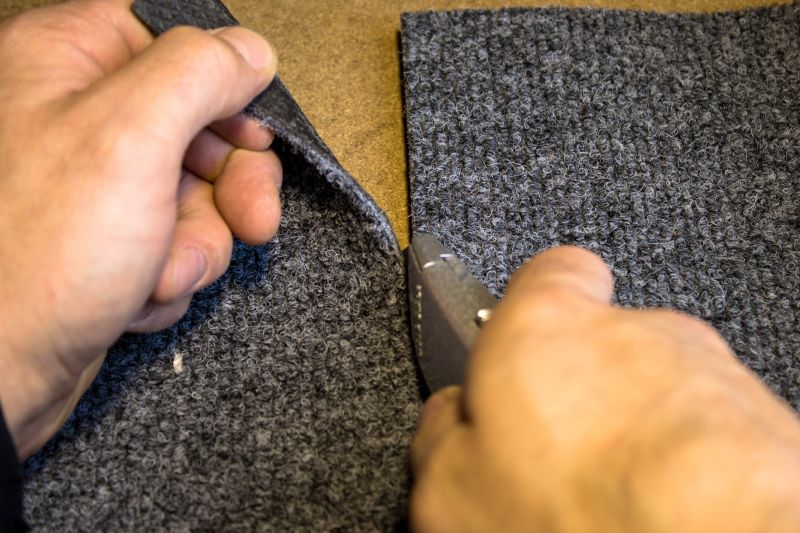
Clearly describe your carpet patching project before comparing local contractors to ensure accurate scope and expectations.
- Verify experience with carpet patching to ensure familiarity with different carpet types and repair techniques. - Assess whether service providers clearly define the scope of work and the patching process in writing before starting the project.
- Compare multiple local contractors to evaluate their methods and ensure consistency in patching quality. - Ask about the materials and tools they plan to use to match the existing carpet seamlessly.
- Ensure service providers inspect the damaged area thoroughly to determine the best patching approach and identify any underlying issues. - Confirm that they provide detailed explanations of their repair process and expected outcomes in writing.
- Check that contractors have a process for color matching and blending the patch with the existing carpet to achieve a uniform appearance. - Review previous work samples or references to gauge their proficiency in carpet patching.
- Discuss warranty or guarantee policies related to the patching work to understand what coverage is included post-repair. - Make sure all project details, including scope and expectations, are documented clearly before work begins.
Compare local contractors, clarify project scope, verify experience, and set clear expectations in writing.

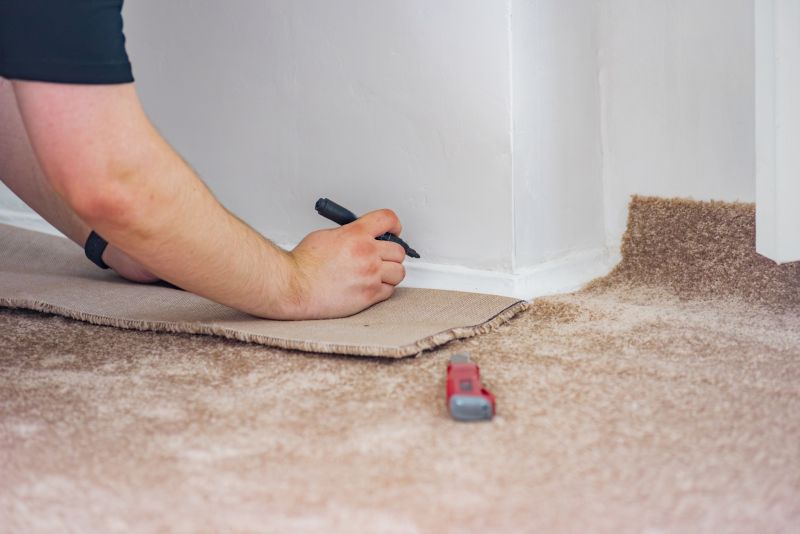


To ensure consistent comparisons, focus on defining the scope, verifying experience, and clarifying expectations with local contractors.
- Project Scope - Clearly define the size, location, and extent of the carpet patch needed.
- Material Compatibility - Specify the type and color of carpet material to ensure a seamless match.
- Experience Verification - Confirm that the service providers have relevant experience with carpet patching jobs.
- Work Details - Outline the specific steps and methods that local contractors will use to complete the patch.
- Written Agreement - Ensure all project expectations, scope, and responsibilities are documented in writing.
When comparing contractors for carpet patching, it’s important to consider their experience with similar projects. Homeowners should inquire about the types of carpet repairs the service providers have performed and whether they have handled patches in carpets with similar materials, patterns, or textures. A contractor’s familiarity with different carpet styles can influence the quality and seamlessness of the repair. Ensuring that a contractor has relevant experience helps set a foundation for a successful outcome, reducing the likelihood of mismatched patches or visible seams.
Having a clear, written scope of work is essential when evaluating potential service providers. Homeowners should seek detailed descriptions of what the patching process will include, such as preparation, removal of damaged sections, matching the existing carpet, and the method of installation. A well-defined scope helps prevent misunderstandings and provides a basis for comparing how each contractor plans to approach the project. It also ensures that expectations are documented upfront, making it easier to address any concerns or adjustments before work begins.
Verification of a contractor’s experience can be approached through several basic steps. Homeowners are encouraged to ask for references or examples of completed projects similar in scope. Confirming that the contractor has a track record of reliable work in carpet patching can provide confidence in their ability to deliver quality results. Additionally, reviewing any available credentials, such as industry affiliations or memberships, can help verify their familiarity with best practices, even if licensing or certification is not explicitly required.
Evaluating options without focusing on prices involves assessing the professionalism and clarity of each contractor’s proposal. Homeowners should compare how thoroughly each service provider explains their process, communicates expectations, and offers a detailed scope of work. It’s also helpful to consider the responsiveness and transparency of the contractor during initial discussions. By focusing on experience, scope clarity, and verification methods, homeowners can make informed choices about which local service providers are best suited to handle their carpet patching needs.
Request written details to clearly define the scope of carpet patching and compare contractor expectations.
- Experience and Expertise - What level of experience do local contractors have with carpet patching projects similar to yours?
- Scope of Work - How do local service providers define and outline the specific scope of carpet patching services they offer?
- Materials and Techniques - What materials and patching techniques do local contractors typically use, and how do they ensure a seamless match?
- Communication and Expectations - How do local pros clarify project details and set expectations in writing before beginning work?
- Comparison Criteria - What factors should be considered when comparing different local contractors’ approaches to carpet patching?
How can I verify the experience of a carpet patching contractor? You can ask contractors about their previous work, request references, or review any available portfolio to assess their experience with carpet patching projects.
What should I include in the scope of work when hiring a contractor for carpet patching? Clearly define the size, location, and type of carpet to be patched, along with any specific materials or techniques required, to ensure mutual understanding.
How do I compare different contractors for carpet patching services? Consider their experience, reputation, scope of work, and the clarity of their written proposals to make an informed comparison.
Why is it important to have the scope of work in writing? Having a detailed scope in writing helps set clear expectations, prevents misunderstandings, and provides a reference for the completed work.
What questions should I ask a contractor before hiring for carpet patching? Inquire about their experience, approach to matching carpet types, materials used, and how they handle potential challenges during the patching process.
How can I ensure the contractor understands my specific carpet patching needs? Communicate your expectations clearly and confirm that the scope of work covers all details, ideally in a written agreement or proposal.
Visitors now understand the importance of clearly defining the scope of a carpet patching project, verifying the experience of potential service providers, and setting expectations in writing to ensure a smooth process. Comparing options among nearby contractors can help identify those best suited to handle the specific needs of the job, providing clarity and confidence in the selection. Using the quote form allows for easy comparison of local service providers, making it simple to explore available options without obligation.
By utilizing the quote form, visitors can connect with local contractors who specialize in carpet patching and gather information to make informed decisions. Taking the time to compare different service providers ensures that expectations are understood and that the scope of work aligns with the project’s requirements. This approach helps facilitate a straightforward process for finding experienced local contractors ready to assist with carpet patching needs.